
Skills
In addition to Attributes, Qualities, and Motivations, a character must have a number of Skills. Skills are learned over the course of the character’s life and bought with XP, and they are augmented by Specializations.
Skills and Specializations
There are 14 Skills, each with many available Specializations. Upgrading a Skill to the next level costs 20 XP, and must be done one level at a time. Under each Skill, you may take Specializations at a cost of 10 XP per Specialization at character creation. Most Specializations have a "Requisite" level—that is, they require a particular level of their Skill before the Specialization can be taken. However, Specializations themselves do not have a level—you have it or you don't. Certain Specializations have prerequisites, requiring other Specializations before they can be learned; for example, First Aid is required before your character can learn Field Medic. If you find yourself needing to save space on your character sheet, you may choose to skip writing down the prerequisite Specialization; If your character knows Field Medic, it can be assumed they know First Aid.
Some Specializations have a minimum required Tech Level in a particular field, which is listed with the description in this chapter. A character cannot learn that Specialization if their culture does not have the required TL; any attempt to perform a task involving that Skill will be at a -3 dice pool penalty and a +2 GR.
Learning From Failure
Specializations cost a lot of XP at character creation relative to their usefulness, but there is another way to learn Specializations. When a character attempts an action that would have benefited from a Specialization the character does not have and fails the roll, the player has the option of immediately learning the applicable Specialization by spending XP in the amount of the Specialization's requisite level (instead of the normal 10 XP). This Specialization will not apply to the failed test, but will apply to all future tests.
Skill Caps
Skills are capped at different levels depending on the character's age; a character may not upgrade a Skill (nor may he begin training to upgrade a Skill) to go beyond this cap. Each species has listed four key ages: Puberty, Professional, Middle, and Old Age.
| Up to Age | Skill Cap | Colloquialism |
|---|---|---|
| Professional | 6 | Beginner |
| Middle | 8 | Pro |
| Old | 10 | Expert |
| ∞ | 12 | Veteran |
The Prodigy Quality can be used to increase this by 2 levels at each age range.
Skill Training Time
To upgrade a Skill after character creation, a character has to spend time training the Skill. Training time is tracked via Progress Points. Level 1 requires just 1 Progress Point to achieve, and each level thereafter doubles the cost—Level 2 requires 2 PP, Level 3 requires 4 PP, and so on. Practicing the Skill on his own for one day earns the character 1 Progress Point.
The XP to upgrade is spent at the beginning of the process; if the learning process is expected to take longer than a single session, the player should keep track of his character's progress in the "Progress" section of his character sheet.
The number of Progress Points a Specializaton takes to learn is equal to the total amount of XP that Specialization requires based on its prerequisites; this is true even if the character has already previously acquired the lower-level Specialization.
Using Instruction
If an instructor is available, Skill upgrade time may be shortened. The instructor must already possess the Skill at or above the desired level, or the Specialization being learned. For one day of instruction, she makes an MAN + Influence (Instruction) roll. Every hit the instructor rolls confers 1 Progress Point towards the training for the student; this test may be made once per day, and it replaces the single PP earned per day from solitary practice.
If a long period of time—a week, a month, or even years—is simulated at once, then it may be divided into as few segments of time as desired, and one roll counts as the number of hits for every day in that time segment. If skipping a month, for example, the instructor may choose to roll only once, and if she gets 3 hits, multiplies that by the number of days, adding 90 PP to the student's progress in learning the Skill. On the other hand, if she gets no hits at all, then the whole month is wasted for both student and teacher. It is recommended that the training period be broken into at least 3 segments to mitigate risk (and, likely, to simplify math; she may break it into 10-day segments, for example.) Chutzpah may not be used on any test representing more than one day of training.
Field Experience
A character can take advantage of field experience to reduce the training time in a Skill, drastically reducing the amount of time required. Each time the Skill is used in a roll "in the wild" (up to a maximum of Old level times per day), one Progress Point is earned. This need not replace the standard 1 PP per day as long as the character still has time to practice on his own. This test must be a challenge for the character—the threshold (or the number of hits rolled in an opposing test) must be at least one-quarter (round down) of the character's dice pool at the task. (The Progress Point is added whether the character succeeds or fails at such a test.) Repeating the same test does not add additional PP.
Field experience may only be used if the Skill is being used in real-world conditions (otherwise it counts as standard practice). For example, if a hacker sets up a Core of his own and then proceeds to hack it, that is considered practice. In contrast, hacking an unfamiliar Core is considered field experience, even if the character sought out the target solely for field experience. A good rule of thumb is: in order for the field experience to qualify, there must be potential consequences for failure of the test.
Using Skills
When attempting to perform a task, the GM will determine which Attribute, Skill, and Specialization are appropriate to the situation. Depending on which of these the character has available, one of three things may happen.
If the character does not have the Skill, he defaults to Attribute Rank - 1 (minimum 1), and the GR of the test is increased by 2.
If the character has the Skill but not the Specialization, he uses Attribute + Skill. If the Specialization's Requisite Level is higher than the character's Skill rank, the difference becomes a negative dice pool modifier. The GR of this test is increased by 1.
If the character has the Skill and the Specialization, the dice pool is Attribute + Skill + 2.
Using Interests
Interests serve double duty as Motivations and Knowledge Skills. They can be rolled in addition to any of the mental stats (at the GM's discretion) to determine if the character knows anything about a relevant situation. If this roll is successful, the character gains 1 XP.
Skill & Specialization Listing
Art
In general, the Art Skill covers any creative action where the intended object of creation is outside of oneself. (This primarily means that performance art is excluded, being a part of the Influence Skill.) The practical purpose of the Skill may be to move someone to emotion, though in practice, it is more often used to deceive.
Art 1
Illustration: Creating and rendering non-realistic images in a two-dimensional medium.
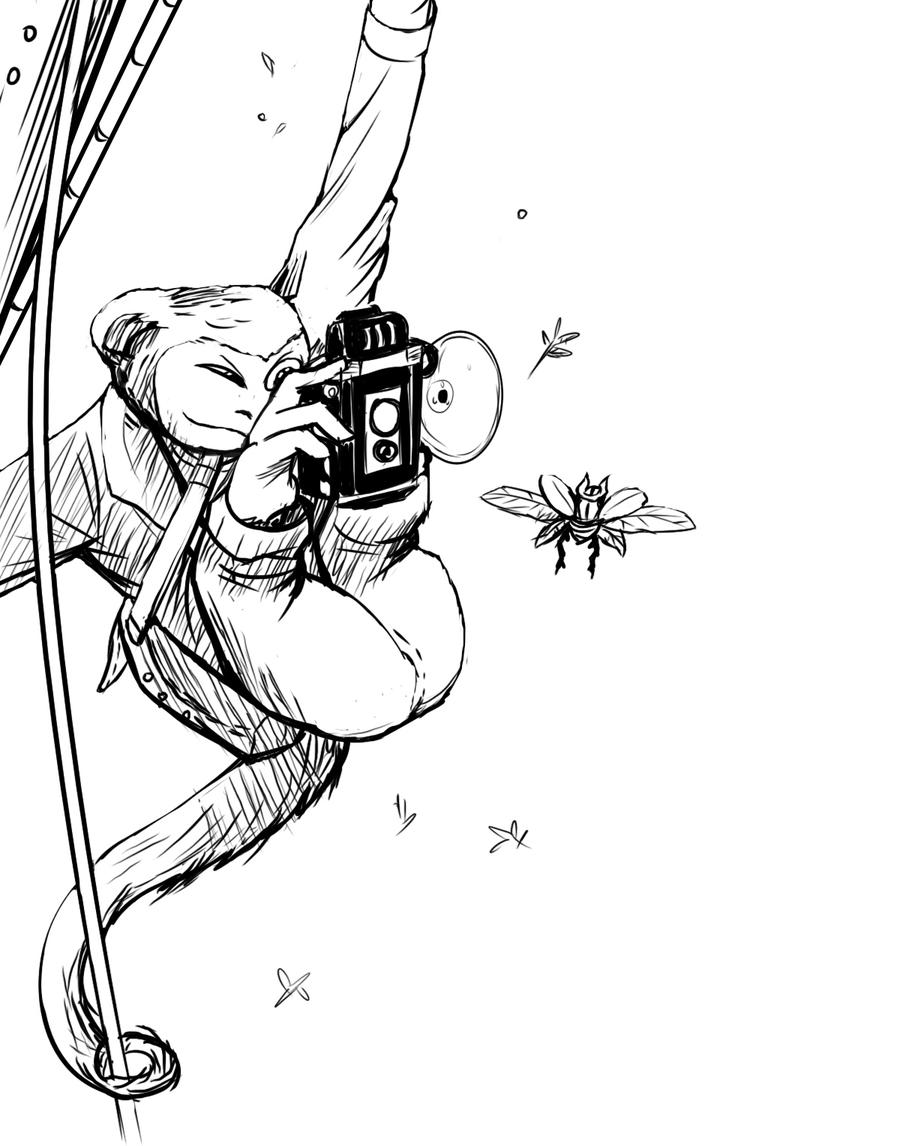
Photography: (requires CPU TL 2) Capturing still images from the real world.
Makeup/Costuming: Altering someone's appearance through adornments.
Art 2
Graphic Design: (upgrades from Illustration) Creating images designed to communicate particular information.
Painting: (upgrades from Illustration) Realistically filling and coloring illustrations.
Videography: (upgrades from Photography; requires CPU TL 3) Recording moving images from the real world.
Prose: Writing anything that is not poetry.
Audio: (requires CPU TL 2) Creating, cleaning up, mastering, or editing sound recordings.
Art 3
3D Modeling: (requires CPU TL 4) Creating a three dimensional representation of a real or conceptual object, generally on a computer. (note: Sculpture/Architecture bypasses the TL requirements for this Specialization, but if you don't have the CPU TL, Sculpture/Architecture cannot be used as 3D Modeling.)
Appraisal: Determining the monetary value of an artistic work.
Forgery: Creating a fake object designed to imitate a real one.
Poetry: (upgrades from Prose) Creating touching writings, generally using meter or rhyme. Also applies to creating lyrics for songs.
Disguise: (upgrades from Makeup/Costuming) Making a person or object appear, deceptively, to be something or someone else.
Art 4
Sculpture: (upgrades from 3D Modeling) Creating physical 3-D representations of objects.
Architecture: (upgrades from 3D Modeling) Designing buildings, or understanding the design decisions of buildings that already exist.
Scripting: (upgrades from Prose) Writing scenes that are meant to be performed by actors or speakers.
Prosthetic Makeup: (upgrades from Makeup/Costuming) Creating makeup and augmentations that significantly modify the shape of their subject.
Art 5
Musical Composition: (upgrades from Audio) Creating music to move people and stir emotion.
Athletics
Physical prowess is partially innate, but practice makes perfect.
Athletics 1
Running: Putting one foot in front of the other as fast as possible.
Climbing: Ascending vertically, including on surfaces not necessarily designed for it.
Jumping: Leaving the ground and returning with ever-improving distance and accuracy.
Flying: Taking to the sky under one's own power; this does not apply to using any kind of vehicle to fly, but it does apply to cybernetic wings. Only characters with the ability to fly may take this Specialization.
Breathing Techniques: Controlling one's own breath to help survive outside the character's normal ATM range. This Specialization may be rolled along with BOD when resisting ATM environmental damage; see the online edition for details.
Athletics 2
Throwing: Used for throwing objects; specifics are described in the Combat chapter on Combat.
Swimming: (upgrades from Breathing Techniques) Swimming gracefully and quickly.
Null Gravity Maneuvering: (upgrades from Jumping; requires PRP TL 4) The act of moving without gravity is not one that comes naturally to most species-it involves a lot of managing inertia and spin, for example. This does not apply if the person is attached to a floor like surface (say, with gravity boots) even if there is no gravity _per se; _ but if that person deactivates the boots and pushes off the surface, this is the Specialization that would be used to determine the accuracy of the "jump".
Athletics 3
Gymnastics: (upgrades from Jumping) Performing intricate, often showy physical maneuvers.
Diving: (upgrades from Swimming) Used to mitigate damage when falling from height into water.
Parachuting: (upgrades from Jumping) Using a parachute, wings, or a similar personal apparatus to float or glide to the ground without damage.
Athletics 4
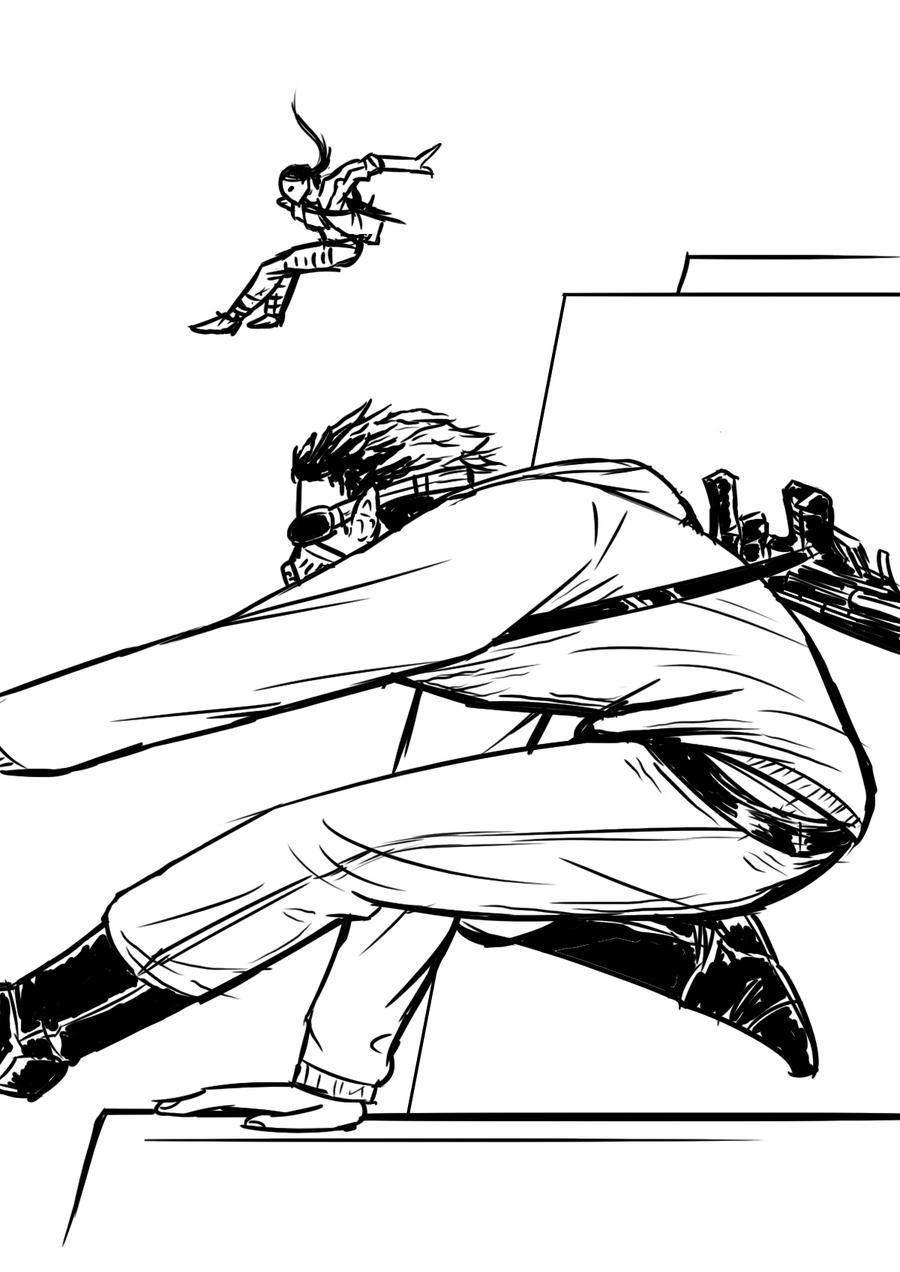
Parkour: (upgrades from Gymnastics) Avoiding obstacles by deftly jumping, ducking, or skipping around or over them.
Computer
A wide variety of Specializations regarding the use, misuse, and abuse of computers, including searching for and interpreting data from network sources. See the online edition for more detailed rules on using this Skill.
Computer 1
Communications: (requires CPU TL 2) Establishing and using a link with another party who is trying to convey information.
Data Search: (requires CPU TL 4) Sifting through data on a computer system or network.
Computer 2
Programming: (requires CPU TL 3) Writing code to automate tasks and run applications. Used to create Digital Macros unless using a Technoshaman interface or a Virtual Assistant; also used to create Virtual Assistants (see the online edition).
Application Command: (requires CPU TL 6) Giving commands to software (primarily Virtual Assistants, or Technoshamanic Spirits) in such a way that the software will successfully execute the desired task, without getting stuck on an unforeseen obstacle or tripped up on grammar.
Hardware: (requires CPU TL 2) Piecing together electronic parts to form a specific function.
Data Analysis: (upgrades from Data Search; requires CPU TL 4) Finding meaningful patterns in large quantities of data.
Computer 3
Hacking: (requires CPU TL 3) Breaking into secured systems. See the online edition for detailed hacking rules.
Security Systems: (requires CPU TL 3) Securing systems against electronic breaches.
Telemetry: (upgrades from Communications; requires CPU TL 2) Analyzing and interpreting data from sensors.
Computer 4
Electrical Engineering: (upgrades from Hardware; requires CPU TL 2) Building computer/electronic parts from scratch.
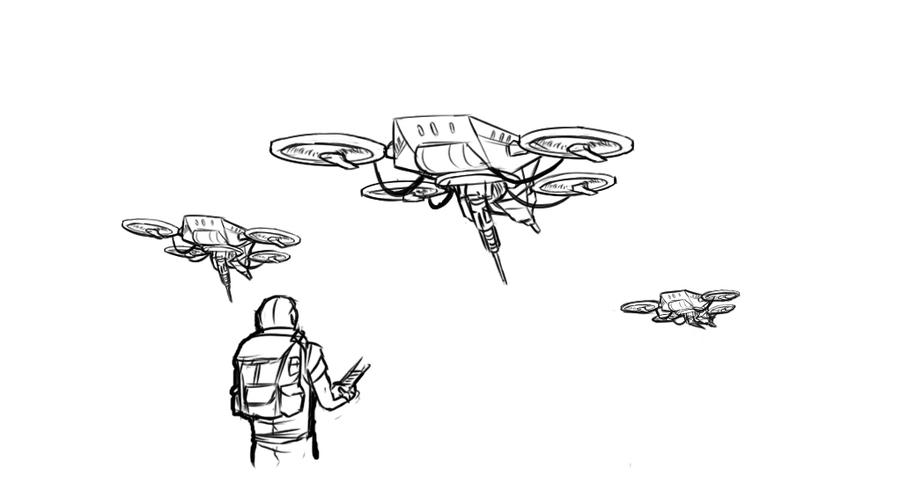
Drone Command: (upgrades from Application Command; requires CPU TL 5) Effectively commanding one or more automated vehicles or other mechanical devices.
Shamanic Compilation: (upgrades from Programming; requires CPU TL 7) Using the Technoshamanic Network to design and compile network spirits (see the online edition). This Skill can only be used with the Technoshaman computer system.
Sensor Obfuscation: (upgrades from Telemetry) Altering the energy output of a device or vessel to make it more difficult to detect. (See "Stealth in Space" on the online edition.)
Computer 5
Simulation: (requires CPU TL 4) Using computers to predict the outcome of a given scenario. This may be used ahead of time prior to any situation that can be simulated, with the hits being banked and added to the Team Bank when the situation comes into play.
Image Processing: (upgrades from Telemetry; requires CPU TL 4) Using software to automate recognition of visual patterns within large amounts of images or video.
Computer 6
A.I.: (upgrades from Programming; requires CPU TL 7) Understanding the design and function of AI code.
Crafting
This Skill is used for building, repairing, and engineering any number of devices or systems.
Crafting 1
Auto Mechanic: (requires PRP TL 2) Repairing ground vehicles.
Handcraft: Creating small bits and pieces, often (but not always) non-functional, by hand. Often called "arts and crafts".
Handyman: Fixing various pieces of common equipment, especially those found in civilian households or businesses.
Crafting 2
Avionics Mechanic: (upgrades from Auto Mechanic; requires PRP TL 3) Repairing vehicles which fly. This Skill primarily applies towards those which fly in atmosphere (aircraft), but can be applied to systems in spacecraft that are shared by aircraft.
Melee Weapon Crafting: Creating or repairing weapons which do not use projectiles. See the online edition for rules on using this Skill to keep melee weapons in repair.
Juryrigging: (upgrades from Handyman) Making fast but short lived repairs using whatever is available. Often makes a piece of equipment function one more time, but ends up with more damage in the long run. (Also see the Juryrigger quality on the online edition.)
Crafting 3
EVA Crafting: (upgrades from Avionics Mechanic; requires PRP TL 4) Working in space to repair equipment and nonessential spacecraft systems.
Ranged Weapon Crafting: (requires WEP TL 2) Creating or repairing ballistic projectile weapons, including bows, guns, and cannons.
Mining: Extracting and refining useful materials from raw ore.
Locksmithing: (upgrades from Handyman) Making or breaking physically based locking devices. For electronic locks, this Specialization applies only to the non-electronic parts; the Hacking Specialization (under Computer) covers the electronics.
Crafting 4
Armor Crafting: Creating and repairing armor.
Countermeasures: (upgrades from Ranged Weapon Crafting; requires WEP TL 4) Refurbishing and replenishing a spacecraft's countermeasures.
Demolitions: (requires WEP TL 2) Creating devices that go boom, and using them effectively and safely. This can generally be augmented by hits from a INT + Science (Chemistry) test.
Reverse Engineering: The art of deducing how a piece of technology works by watching it in action.
Crafting 5
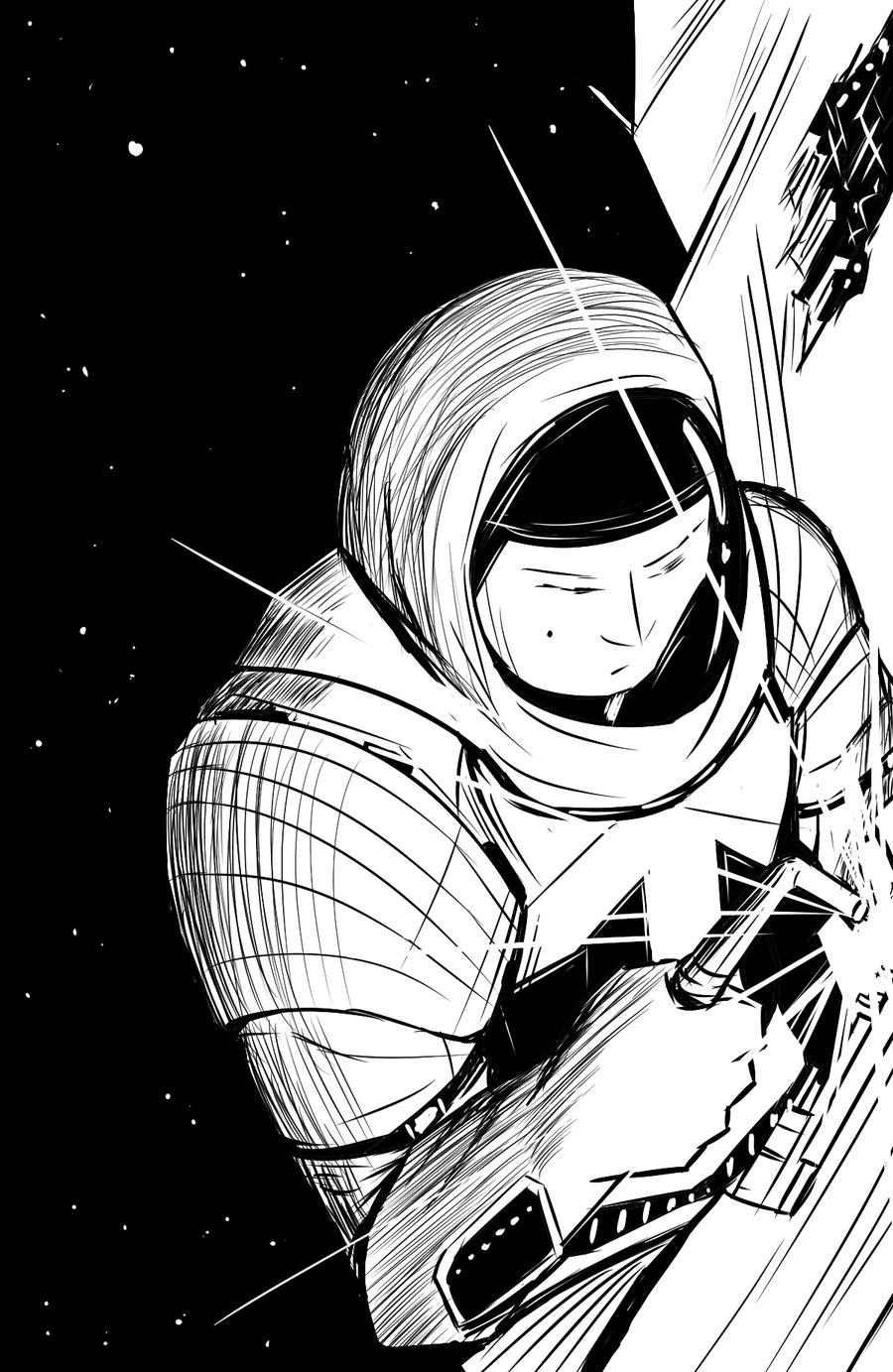
Spacecraft Mechanic: (upgrades from EVA Crafting; requires PRP TL 5) Building and repairing essential systems on vessels which fly in vacuum.
Missile Crafting: (upgrades from Demolitions; requires WEP TL 6) Creating or repairing weapons with onboard propulsion and sometimes guidance systems.
Crafting 6
Nanocrafting: (requires MFR TL 7) Designing, repairing, and creating molecular-scale objects and metamaterials.
System Optimization: (requires PWR TL 6) Determining how to get the most out of systems, improve their power without damaging them, and make them do things they were never designed to do.
Humanities
The study of sentient behavior en masse, culture, and history.
Humanities 1
Literature: Understanding writings, including prose and poetry, as well as the patterns and tropes involved therein.
Cultural Studies: Identifying and understanding different cultures; may be used for perception tests to identify the culture of origin of a person or object.
Recreation (Per Culture): Knowledge of the various kinds of recreation with cultural significance.
Humanities 2
Philosophy: (upgrades from Literature) Studies of thought and meaning when interacting or negotiating between different cultures, this Specialization may be rolled to reduce inter-culture misunderstandings, adding its hits to any particular dice pool involved.
Religion: (upgrades from Cultural Studies) Understanding the concepts behind various faiths, and distinguishing between different kinds of belief.
Courtship (Per Culture): (upgrades from Recreation (Per Culture)) Understanding the rituals and practices of acquiring a mate or romantic partner in a given culture. This can be rolled to assist any social test that is being affected by the BEA attribute, as long as the subject is of a culture for which this Specialization is known.
Humanities 3
Law: Understanding the nuances of the legal system of a particular culture. Can be rolled to lawyer your way out of sticky situations.
Influence
The art of getting what you want from others by manipulating emotions and exploiting desires, and improving your own standing with groups of people by fitting in well.
Influence 1
Performance Arts: Capturing attention and entertaining an audience through performance.
Theatrics: Exaggerating emotions (often loudly) in order to manipulate emotion or to distract.
Etiquette (Per Subculture): Obeying the social norms of a culture to exemplify model behavior and act as a part of that culture.
Influence 2
Bargaining: Achieving a favorable deal when obtaining items you need. See the Tech and Gear chapter on Tech and Gear for more details regarding how to use this Specialization.
Courting: (upgrades from Theatrics) Attracting a mate in the initial stages of courtship. May or may not apply to long term relationships. This Specialization is typically rolled with CHA.
Deception: (upgrades from Theatrics) Telling a lie or carrying out a ruse, while keeping a straight face.
Comedy: (upgrades from Theatrics) Telling jokes and making people laugh. To use this Skill, the player may roll MAN + Influence (Comedy), and add any hits to his effective CHA attribute.
Bureaucracy (Per Subculture): (upgrades from Etiquette (Per Subculture)) Understanding the ranks, procedures, and hierarchies of an organization, and knowing how to exploit them to achieve a desired result.
Derision: Trash talk. This Specialization may be used to reduce the Initiative of a single opponent. See the online edition for more details.
Instruction: Teaching another character a known Skill Specialization; see the Using Instruction section for detailed information on how this is used. See the Using Instruction section on the online edition for details.
Animal Handling: Training and caring for domesticated non-sentient creatures.
Influence 3
Negotation: (upgrades from Bargaining) Achieving a favorable arrangement when negotiating non-tangible terms.
Persuasion: (upgrades from Courting) Convincing another character to take an action they had not originally planned to take. After the test is rolled and resisted normally, the persuader banks his net hits and gives the bank to the target; these hits may be added as hits only to a test for an action that the target had not originally planned to take, but that the persuader wanted them to take.
Social Engineering: (upgrades from Deception) Exploiting the complacency and trust of an organization to gain access to systems or areas not normally available. Often used as an augmentation to hacking. See the online edition for more details.
Seduction: (upgrades from Deception) The act of obtaining a romantic partner for reasons other than companionship. Unlike Courting, Seduction is always used with MAN. (Relationships obtained using this Specialization never earn XP from the Romance motivation.)
Leadership: (upgrades from Bureaucracy (Per Subculture)) Directing and coordinating a team. See Combat for Team Bank rules and details on how to use this Skill in combat.
Wedge: (upgrades from Derision) Discovering and exploiting pain points between members of a team, breaking down the trust and teamwork between them. Can be used to reduce a team's Team Bank (see the online edition).
Hosting (Per Subculture): (upgrades from Etiquette (Per Subculture)) Meeting the expectations of guests from a given subculture, whether for an event or simply providing a place to stay.
Influence 4
Extortion: (upgrades from Negotation) The art of getting what you want without actually giving up anything in return by making threats. Blackmail is such an ugly word.
Intimidation: (upgrades from Persuasion) Persuasion by show of force or application of fear.
De-escalation: (upgrades from Persuasion) The practice of reducing tensions levels in a confrontation. For each hit rolled on this test, reduce the Team Bank on both sides of a conflict by two, including into negative values as with the Wedge action; if the Team Bank is a negative value, the team members may avoid the negative Initiative penalty by not engaging in violence with the other side. Players using this Skill are encouraged to roleplay the de-escalation. Any violent actions taken by the character using this Skill immediately nullify the effect.
Interview: The art of gaining information from a subject, especially information which they may not share immediately-either due to resistance (such as in an interrogation) or due to simply not recognizing the importance or relevance of the information they do have. This Skill may be rolled with PER to determine if a subject has more information left to give the interviewer.
Influence 5
Indoctrination: (upgrades from Persuasion) The practice of implanting beliefs in a willing student, such as children or new military recruits.
Domestication: (upgrades from Animal Handling) Taming wild creatures.
Influence 6
Brainwashing: (upgrades from Indoctrination) The art of coercing someone unwilling to be indoctrinated through use of carefully controlled information input. Brainwashing is an intense, time-consuming effort.
Medicine
Medicine is a broad Skill, used for healing chronic and acute damage, as well as preventing damage in the first place. The Combat chapter on Combat describes in detail some of the common uses of the Skill. The Medicine Skill is assumed to cover knowledge regarding the species to which the user of the Skill belongs. If trying to use Medicine on a different species of the same Kingdom (without the Veterinary Specialization), the character will take a -4 dice pool penalty and +1 GR. If trying to use Medicine on a different Kingdom (in practical terms, this generally means any species from an alien world) without the appropriate Xenomedicine Specialization, the character will take a -6 dice pool penalty and +3 GR.
Medicine 1
First Aid: The application of basic and often incomplete medical care at the site of an incident. (See the Combat chapter on Combat.)
Nutrition: The knowledge of what food must be eaten in order to survive, especially in unusual situations where normal nutrition might not be available. Failing that, the knowledge of what vitamin supplements are needed to compensate for any lack.
Chiropracty/Massage: Can be used to help temporarily alleviate certain chronic conditions (such as Infirm), or possibly restore stun damage (depending on the source).
Medicine 2
Field Medic: (upgrades from First Aid) Like First Aid, but faster. (See the online edition)
Pharmacology: (upgrades from Nutrition) A broad knowledge of the effect of most drugs on the body, and ability to recognize and identify medicinal drugs. May assist others in handling the effects of drugs (see the online edition).
Toxicology: An understanding of poisonous compounds and their effect on the body. May assist others in handling the effects of toxins and poisons (see the online edition).
Medicine 3
Veterinary: An understanding of the medical needs of the non-sentient species from the same Kingdom as the healer.
Med Tech: (upgrades from Pharmacology) Using medical equipment without damaging the patient; note that this does not necessarily cover interpretation of the data, which is generally one of the other medical specializations.
Diagnosis: (upgrades from Toxicology) Determining a medical problem given a set of symptoms. (Note that without using the Pathology upgrade of this Specialization, a successful diagnosis of an infectious disease will not give any detail as to which disease. Without knowing which disease, any treatment derived from this diagnosis will have its effectiveness reduced by half.)
Psychiatry: The use of drugs or other medical techniques to affect a patient's mental health.
Radiation Toxicology: (upgrades from Toxicology) An understanding of the effect of radiation on the body, including treatment.
Longterm Care: (upgrades from Chiropracty/Massage) Or, put another way, nursing-the application of the basic needs and maintenance of medical treatments decided on by a doctor, and the monitoring of the patient for unexpected problems.
Medicine 4
Xenomedicine (Per Kingdom): (upgrades from Veterinary) Negates the penalty for treating patients who belong to the given Kingdom.
Genetics: (upgrades from Med Tech) An understanding of the genetic code, including its effect on lineage and inheritance.
Pathology: (upgrades from Diagnosis) This upgrade to Diagnosis allows the healer to specify which infectious disease is in play and determine a specific course of treatment for it.
Medicine 5
Cryonics: An understanding of freezing living tissue for cold storage, and most critically, of reviving patients who have been so frozen.
Genetic Engineering: (upgrades from Genetics) The ability to manipulate genes to achieve a desired effect, or to apply gene therapy treatments.
Medicine 6
Surgery: Cutting and entering the patient's body to heal serious internal damage.
Neuroscience: (upgrades from Psychiatry) Understanding processes and signals in the brain, and manipulating them appropriately.
Melee
In general, melee combat refers to any form of combat that does not involve projectiles. See the Combat chapter on Combat for more information.
Melee 1
Brawling: Executing an unarmed attack against an opponent, without moving; this action grants a higher damage value and reduced defense threshold based on the number of characters in the fray, but without the movement of a standard attack.
Striking: Executing a single strike against an opponent-hitting, punching, kicking. This is used for the standard melee attack action, and includes a movement action.
Dodging: Can be used for the Active Dodge action to avoid melee attacks.
Unarmed Parry: Can be used for the Active Block action in combat to protect against any attack that deals Impact damage.
(Exotic Weapon): Using a melee weapon which does not fall into any category of weapon otherwise listed. The weapon type is chosen when the Specialization is learned.
Melee 2
Grappling: (upgrades from Brawling) Used for the Grapple action to attempt to disable an opponent at melee range.
Small Handheld: (upgrades from Striking) Using small melee weapons to attack, including knives and dirks, as well as small blunt weapons and clubs.
Long Blade: Using swords and other bladed weapons larger than a knife to attack.
Mass Weapons: Using a melee weapon which relies on heavy mass at the end of a long handle, including axes, hammers, and maces.
Staves: Wielding any long stick-like weapon, either side of which may be used to attack.
Melee 3
Throwing: (upgrades from Grappling) Throwing an opponent who has been grappled.
Weapon Parry: (upgrades from Long Blade) Can be used for the Active Block action in combat to protect against any melee attack that deals either Impact or Piercing damage.
Disarming: Using a standard melee attack action to, instead, take a weapon out of the target's hands.
Melee 4
Pressure Points (Per Species): (upgrades from Striking) When executing a standard melee attack, this character may target a pressure point on the species being targeted; the dice pool is reduced by 4 and damage value is increased by 4.
Melee 6
Ranged Deflect: (upgrades from Weapon Parry) Can be used for Active Block action in combat to protect against any ranged attack that deals either Impact or Piercing damage at a -2 dice pool penalty.
Pilot
Driving, flying, piloting, and operating vehicles.
Pilot 1
Driving: (requires PRP TL 2) Driving standard vehicles available to the culture, most often those with two or four wheels.
Rowboat: Steering and propelling small, body-powered watercraft.
Cycling: Controlling small, body-powered landcraft.
Pilot 2
Deep Space Maneuvering: (requires PRP TL 4) Executing simple spacecraft maneuvers-mostly pointing in a specific direction and executing a timed burn.
Advanced Driving: (upgrades from Driving; requires PRP TL 3) Driving more capable, esoteric ground vehicles of the culture, often tracked vehicles.
Motorboat: (upgrades from Rowboat; requires PRP TL 2) Steering and controlling powered watercraft.
Prop Plane: (requires PRP TL 3) Controlling small, slow aircraft.
Hovercraft: (requires PRP TL 4) Controlling non-wheeled multi-surface vehicles which may be steered in any of the four cardinal directions.
Pilot 3
Jetcraft: (upgrades from Prop Plane; requires PRP TL 3) Controlling fast, maneuverable aircraft.
Sailboat: (upgrades from Motorboat) Controlling watercraft that are powered by an outside force, especially wind.
Pilot 4
Docking: (upgrades from Deep Space Maneuvering; requires PRP TL 4) Docking a spacecraft in zero gravity.
Rotorcraft: (requires PRP TL 3) Controlling aircraft designed around vertical takeoff and landing.
Antigravity Vehicle: (upgrades from Hovercraft; requires PRP TL 7) Controlling vehicles that can ignore the influence of gravity.
(Exotic Vehicle): Controlling any vehicle that does not fit into any other Pilot Specialization. The vehicle is chosen when the Specialization is learned.
Pilot 5
Precision Spacecraft: (upgrades from Docking; requires PRP TL 4) Executing intricate spacecraft maneuvers, primarily including landing in gravity without an atmosphere.
Submarine: (upgrades from Motorboat; requires PRP TL 3) Controlling underwater craft.
Anthroform Walkers: (requires PRP TL 5) Controlling ground vehicles which walk on articulated legs as opposed to wheels.
Pilot 6
Combat Maneuvers: (upgrades from Precision Spacecraft; requires PRP TL 4) Maneuvers for combat in space.
Ranged Combat
Any form of combat or attack that involves projectiles to inflict damage at range.
Ranged Combat 1
Field Stripping: Performing basic regular maintenance on ranged weapons.
Longarms: Firing single-shot or semiautomatic two-handed firearms.
Energy Weapons: Firing ranged weapons which use energy as their source of damage rather than a projectile.
(Exotic Weapon): Firing a ranged weapon that does not fit into any of the other Specializations. The weapon type is chosen when the Specialization is learned.
Pistols: Firing single shot or semiautomatic one handed firearms.
Ranged Combat 2
Automatics: (upgrades from Longarms) Firing automatic firearms.
Ranged Combat 3
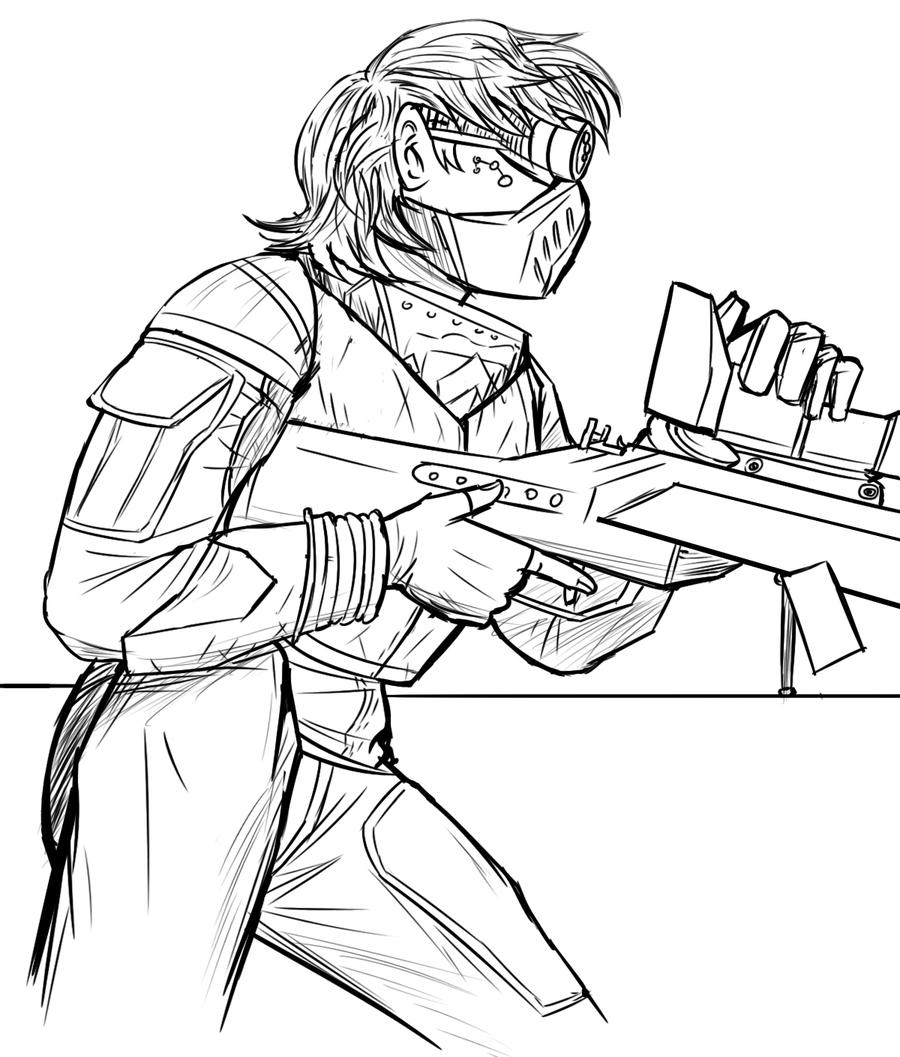
Sniper: (upgrades from Longarms) Firing long range firearms involving careful aiming and precision shots.
Heavy Weapons: (upgrades from Longarms) Firing weapons a size class above that of the wielder.
Explosive Projectiles: Firing explosive weapons such as rocket launchers or grenade launchers.
Archery: Firing projectile weapons which are heavy but relatively slow-moving, often propelled by tension strings.
Gunnery: Firing weapons that are controlled remotely, including spacecraft weapons.
Ranged Combat 4
Running Fire: (upgrades from Pistols) Firing while running without taking a penalty for doing so.
Indirect Fire: (upgrades from Gunnery) Using weapons which can fire at targets which cannot be directly seen via line-of-sight, by calculating angles and ballistic trajectories. Includes weapons like mortars and grenade launchers.
Dual Wielding Pistols: (upgrades from Pistols) Firing pistols, one in each hand.
Ranged Combat 5
Rapid-Draw Archery: (upgrades from Archery) Fire an archery-based weapon with a free reload following it.
Ranged Combat 6
Orbital Gunnery: (upgrades from Indirect Fire) Firing weapons in space from beyond Rendezvous Range.
Science
The study of science is more than memorizing facts-it includes mastery of a different way of thinking, of remaining objective and allowing the evidence to lead the ideology, not the other way around.
Science 1
Chemistry: (requires PHY TL 3) The study of interactions between base elements.
Civil Engineering: Understanding and designing public structures-especially useful for exploiting them.
Mathematics: Adding, subtracting, statistics-mostly, this is a fundamental language useful for other Specializations.
Science 2
Biology: (upgrades from Chemistry; requires PHY TL 3) The study of life and its processes; can be applied to nearly anything living that is not covered by the Medicine Skill.
Weapon Design: Designing original or improvised weaponry.
Linguistics: Understanding general concepts in language; allows easier learning of languages themselves. This Specialization is rarely, if ever, rolled normally; see the online edition for more details on its usage.
Planetary Science: Understanding the formation, makeup, and processes of planets.
Statistics: (upgrades from Mathematics) Understanding methods of collecting and analyzing data in large quantities, and inferring accurate conclusions from these data.
Physics: (upgrades from Mathematics; requires PHY TL 2) An understanding of the basic laws of the universe, primarily Newtonian and relativistic motion.
Astronomy: Measuring, charting, and analyzing stars and other bodies in space.
Science 3
Industrial Design: Understanding the design and function of heavy machinery, such as that used in construction, factories, and warehouses.
Forensics: (upgrades from Chemistry) The science of finding and interpreting physical evidence, including taking advantage of any technology available within the character's culture to get to the truth.
Economics: (upgrades from Mathematics) The study of the flow of money and financial systems, large and small.
Ecology: (upgrades from Planetary Science) The study of natural ecosystems, life cycles, and environments, and the interplay between the environment and the life forms that reside within it.
Thermodynamics: (upgrades from Physics) A knowledge of how to sequester, transfer, and manage heat.
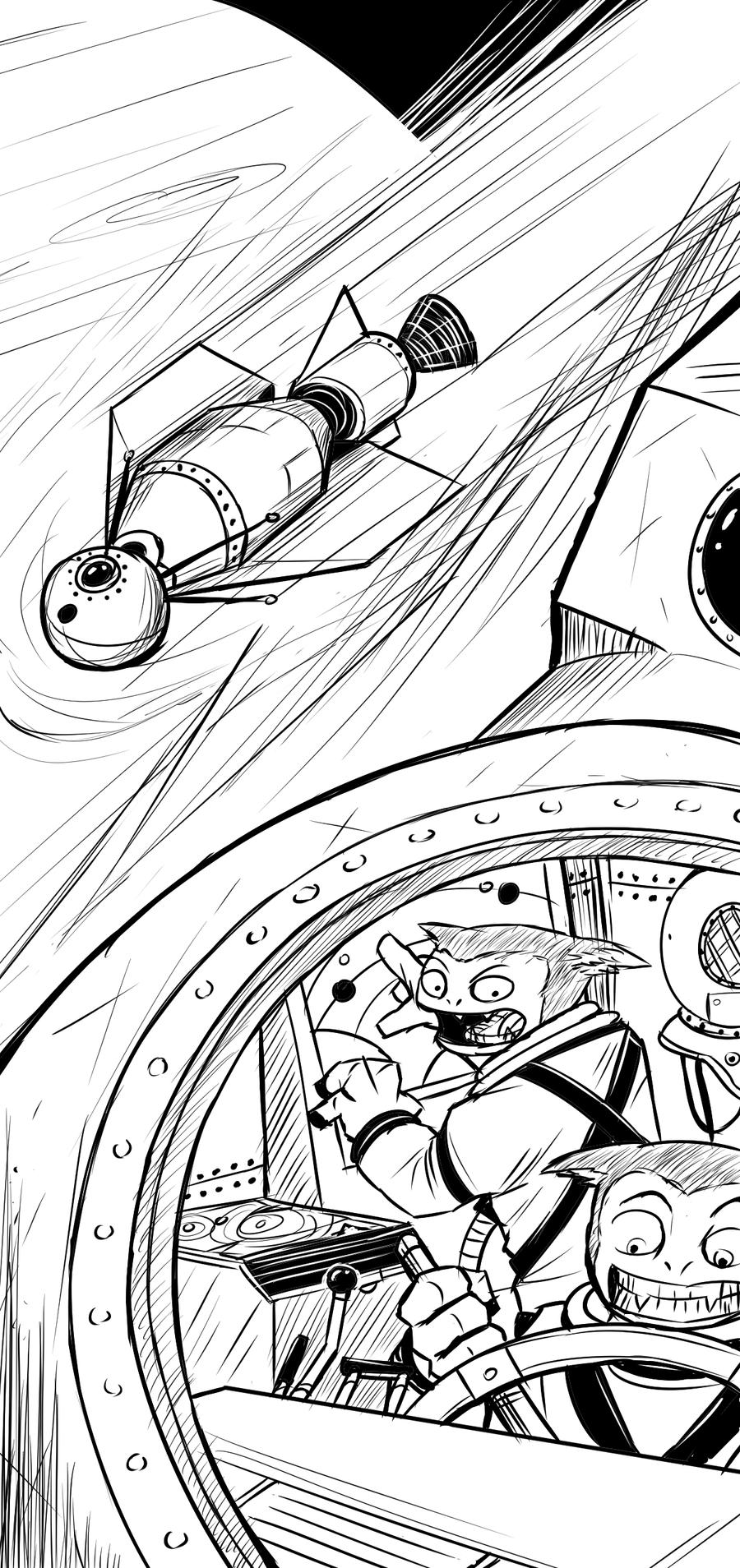
Aeronautics: (upgrades from Physics; requires PRP TL 4) Navigating through the atmosphere of a planet.
Science 4
Spacecraft Design: (upgrades from Industrial Design; requires PRP TL 4) Understanding the design and function of spacecraft, pressure vessels, vacuum propulsion, and so on.
Robotics: (requires CPU TL 4) Knowledge of the mechanisms, sensors, processors, and other gadgetry needed to automate tasks.
Astrophysics: (upgrades from Physics; requires PHY TL 4) Understanding of the physical processes involved in stars, planets, and galaxies.
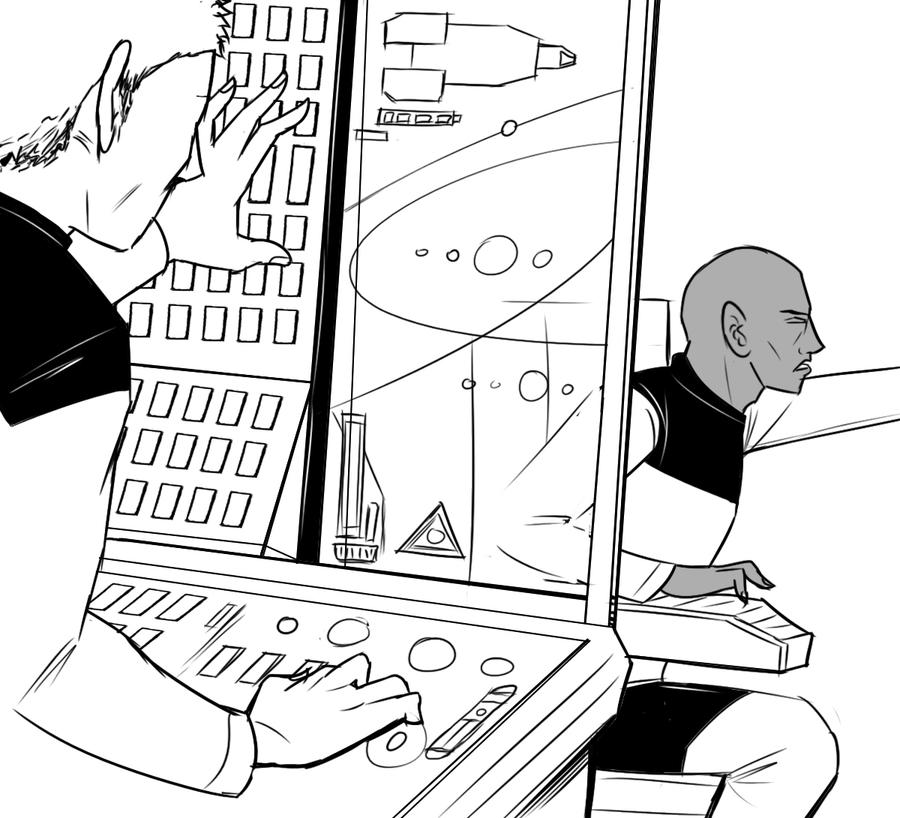
Astronautics: (upgrades from Physics; requires PRP TL 4) Taking advantage of orbital paths and calculating transfer routes in space.
Science 5
Nuclear Physics: (requires PHY TL 4) Understanding the nature of nuclear reaction, especially in power generation, engine power, and weaponry.
Quantum Physics: (upgrades from Astrophysics; requires PHY TL 5) Understanding of the subatomic nature, including quantum locking and the Heisenburg uncertainty principle.
Science 6
Gravitics: (upgrades from Quantum Physics; requires PHY TL 9) Taking advantage of mass simulation and gravity modification.
Stealth
When using the Stealth Skill to hide or deceive, the hiding character makes his test (often AGI + Stealth (Specialization)), banking the result; this bank becomes the threshold for any perception check to see what's been hidden.
Stealth 1
Hiding: Concealing oneself from view, sometimes in plain sight.
Palming: Sneaking small items into one's own possesion, often by taking advantage of distraction.
Stealth 2
Infiltration: (upgrades from Hiding) Remaining concealed while entering a target area.
Shadowing: (upgrades from Hiding) Remaining concealed while following a target person.
Camouflage: (upgrades from Hiding) Hiding without being actually behind cover, by covering oneself in concealing colors.
Stealth 4
Escape Artist: (upgrades from Palming) Getting out of restraints or tight spaces with limited flexibility.
Survival
This Skill focuses on the ability to survive in unfriendly environments, particularly wild ones. The Specializations included here help characters stave off hunger, dehydration, and death from exposure.
Survival 1
Orienteering: Using limited information (such as a compass and possibly a map) to navigate an unpopulated area.
Navigation: Efficiently navigating a well charted or populated area.
Survival 2
Resourcefulness: (upgrades from Orienteering) Finding and safely utilizing resources available in order to survive, including finding water and food, avoiding poisons, and finding the resources necessary for shelter.
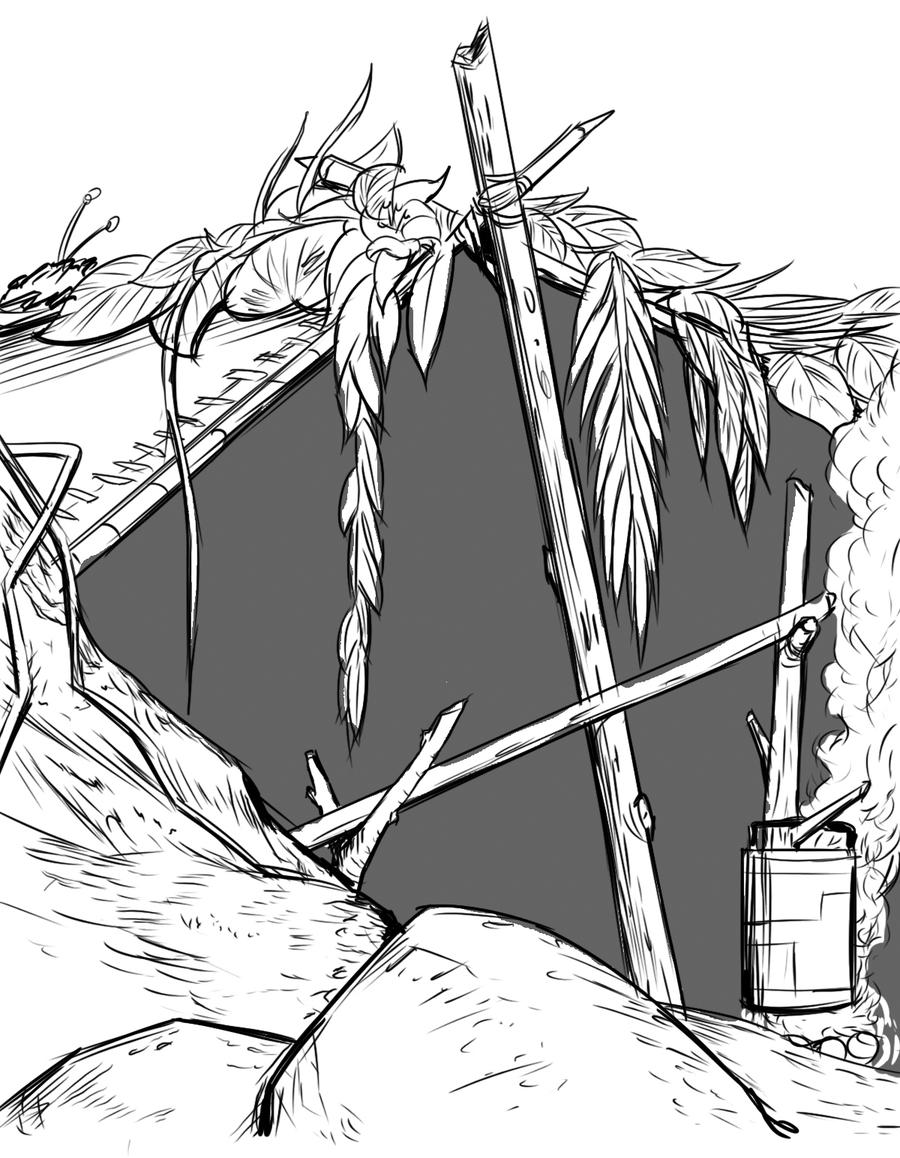
Shelter: Building a stable shelter from the elements.
Survival 3
Tracking: (upgrades from Navigation) Determining and following the paths made by people or wildlife through wild or urban areas based on the physical clues they leave behind, including footfalls, trails, scents, and waste. This Specialization may be used normally by pairing it with PER, or may be paired with AGI to set the threshold one must get on the tracking test to follow.
Trapping: Catching wildlife (either fatally or safely) using devices or setups that remain after the hunter has left them. When setting a trap, the trapper should rolls INT + Survival (Trapping) and bank the result; the bank is the threshold the target must roll on a PER + Survival (Trapping) to spot and avoid the trap.
Survival 4
Wild Environments: (upgrades from Resourcefulness) Surviving in environments without culture or settlement, including gathering supplies and acquiring food.
Survival 6
Alien Environments: (upgrades from Wild Environments) Surviving in environments which bear no evolutionary or biological common ground with the character.
Tactics
The Tactics Skill is a unique one; INT + Tactics (Specialization) is usually rolled either before combat (to set up an ambush) or during combat, and the hits from any tests made with this Skill are added to the party's Team Bank. This Skill can only be used by the designated team leader, or by a character the team leader has instructed the team to listen to in matters of strategy. For more information on the Team Bank (as well as surprise and ambush rules), see the online edition.
Tactics 1
Leapfrogging: Requires two or more fighters; one stands still and provides cover, while the other moves forward, then they switch. This provides continuous cover while moving forward.
Covering Fire: Firing ranged weapons without intent of hitting a specific target, intending to distract and to force the enemy to keep their head down.
Tactics 2
Room Sweeping: Searching a room while entering it in such a way that any location in the room is cleared before exposing anyone to undue danger.
Coordinated Attack: Coordinating multiple fighters effectively, such that the timing of their actions is effectively synchronized to maximize benefit.
Terrain Utilization: Taking advantage of terrain or interior layout to place fighters in the most effective positions for combat.
Tactics 3
Small Vehicle Tactics: Incorporating vehicles into battle plans effectively.
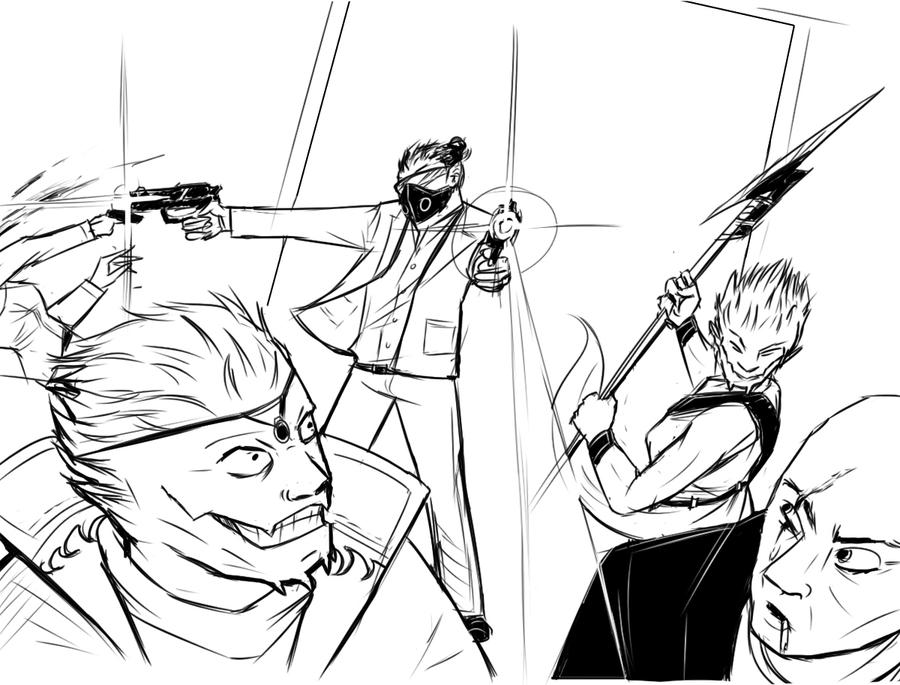
Dynamic Entry: The art of entering into an enemy controlled environment or room while simultaneously engaging in combat, both for shock and awe and to remove any opportunity for the enemy to prepare a resistance.
Overwatch: Patrolling or keeping an eye on a hostile situation with the goal of being aware of potential problems and to identify possible targets.
Perimeter Defense: Arranging fighters to defend the perimeter and all entry points of a piece of friendly territory.
Ambushing: (upgrades from Terrain Utilization) Setting up traps to ensnare or injure opponents. This Specialization does not affect the Team Bank, and can only be rolled before combat begins; the GR for any enemy movement is increased by the number of hits from the Ambushing test, and a glitch triggers the trap. May be negated by an enemy's PER + Tactics (Trapsetting) test.
Tactics 4
Escorting: Coordinating fighters in an optimal way as to protect a non-combatant friendly character against targeted attack.
Tactics 6
Strategy: Understanding the details of tactics, when to use them, and how and when to shift tactics based on the situation.